Aluminum Wire Scrap – Premium Quality Recyclable Metal for Industrial Use
Introduction
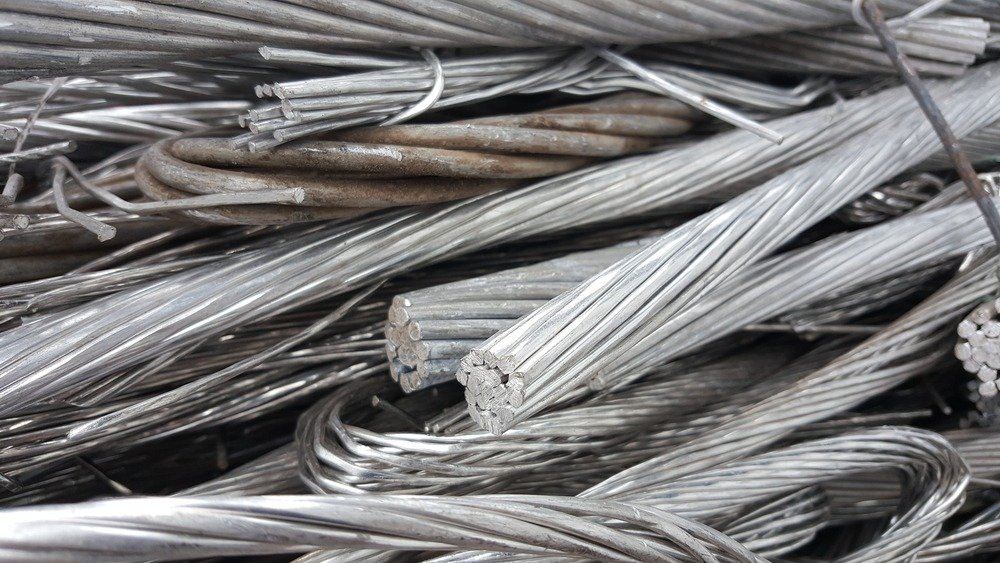
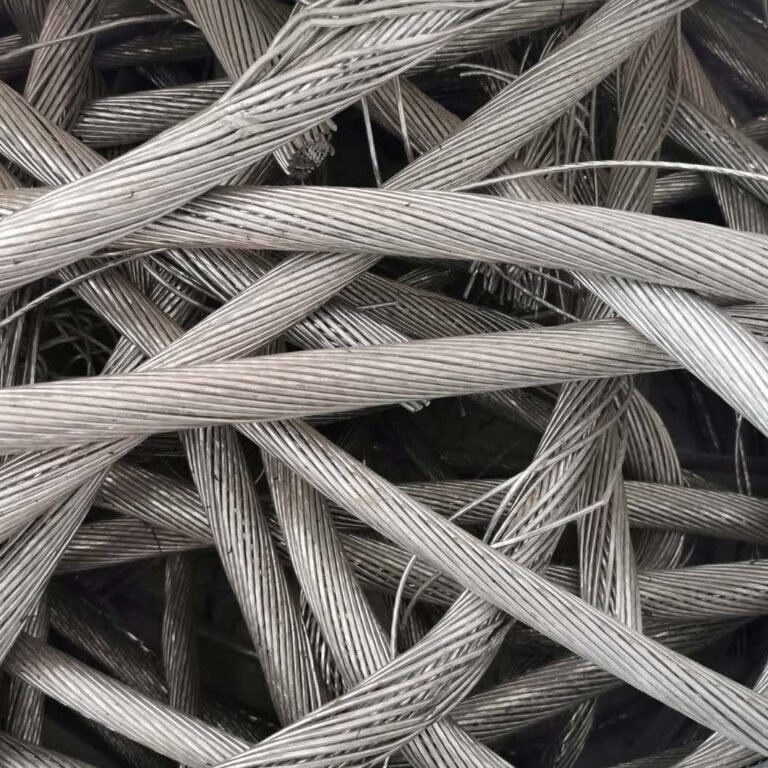
Aluminum wire scrap is one of the most valuable and widely traded recyclable materials in the global metal recycling industry. Known for its lightweight structure, corrosion resistance, and excellent conductivity, aluminum wire scrap plays a crucial role in sustainable manufacturing and resource conservation. Whether sourced from electrical wiring, industrial cables, or dismantled infrastructure, aluminum wires scrap offers immense economic and environmental value.
This product description provides an in-depth overview of aluminum wire scrap, including its origins, history, specifications, applications, benefits, and frequently asked questions. Designed for manufacturers, recyclers, wholesalers, and exporters, this guide highlights why aluminum wire scrap remains a preferred choice in the global scrap metal market.
What is Aluminum Wire Scrap?
Aluminum wire scrap refers to discarded or recycled aluminum wires that are no longer in use but retain their intrinsic material value. These wires are typically collected from:
- Electrical transmission lines
- Residential and commercial wiring
- Automotive components
- Industrial machinery
- Telecommunications cables
Once collected, the scrap is sorted, cleaned, and processed to remove impurities, making it suitable for melting and reuse in various industries.
Origins of Aluminum Wire Scrap
The origin of aluminum wire scrap can be traced to the widespread use of aluminum in electrical and industrial applications. Aluminum became a popular alternative to copper in wiring due to its cost-effectiveness and lightweight properties.
Primary Sources of Aluminum Wire Scrap
- Construction and Demolition Sites
Old buildings and infrastructure projects often contain large quantities of aluminum wiring. - Electrical and Utility Companies
Replacement of outdated power lines generates significant volumes of scrap. - Automotive Industry
Vehicles contain aluminum wiring in electrical systems. - Manufacturing Waste
Factories produce offcuts and defective aluminum wires during production. - Consumer Electronics
Discarded devices contribute to the growing supply of recyclable aluminum.
- Construction and Demolition Sites
Brief History of Aluminum Recycling
The history of aluminum recycling dates back to the early 20th century when industries began recognizing the economic benefits of reusing aluminum. During World War II, aluminum recycling became essential due to resource shortages, leading to large-scale collection campaigns.
Over the decades, advancements in recycling technology have made it easier and more efficient to process aluminum scrap. Today, recycling aluminum requires up to 95% less energy compared to producing new aluminum from raw materials, making it a cornerstone of sustainable industrial practices.
Aluminum wire scrap, in particular, gained prominence with the expansion of electrical infrastructure and telecommunications networks in the late 20th century.
Key Features of Aluminum Wire Scrap
- High Conductivity: Retains excellent electrical conductivity properties
- Lightweight: Easier to transport and handle compared to other metals
- Corrosion Resistant: Long-lasting and durable
- Recyclable: Can be reused multiple times without quality loss
- Cost-Effective: Lower cost compared to virgin aluminum
Specifications of Aluminum Wires Scrap
The quality and classification of aluminum wires scrap vary depending on its source and processing. Below are the standard specifications:
Material Composition
- Aluminum content: 95% – 99.9%
- Minimal contamination (plastic, rubber, or insulation)
Types of Aluminum Wires Scrap
- Bare Bright Aluminum Wire Scrap
- Clean, uncoated, and free from insulation
- Highest market value
- Insulated Aluminum Wire Scrap
- Covered with plastic or rubber insulation
- Requires processing before recycling
- Mixed Aluminum Wire Scrap
- Combination of different grades and qualities
- Bare Bright Aluminum Wire Scrap
Physical Characteristics
- Diameter: Varies depending on source
- Length: Random or cut pieces
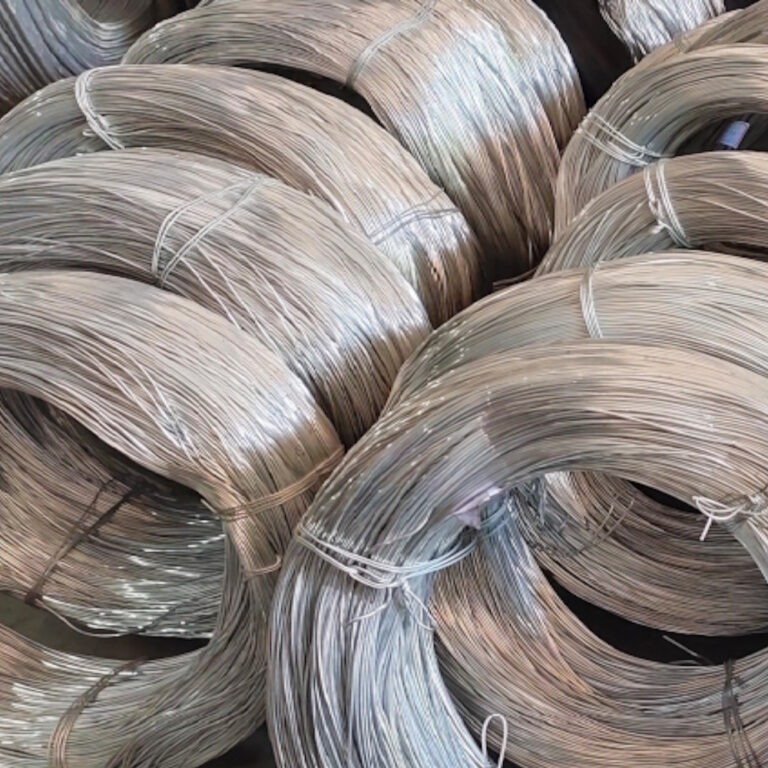
- Form: Coiled, bundled, or loose
Packaging Options
- Compressed bales
- Loose bundles
- Customized packaging as per client requirements
Quality Standards
- Free from excessive oil, grease, and dirt
- No radioactive or hazardous materials
- Compliance with international recycling standards
Applications of Aluminum Wire Scrap
Aluminum wires scrap is a versatile material used across multiple industries:
1. Recycling Industry
The primary use of aluminum wire scrap is in recycling plants, where it is melted and transformed into new aluminum products.
2. Electrical Manufacturing
Recycled aluminum is used to produce new wires, cables, and electrical components.
3. Automotive Industry
Manufacturers use recycled aluminum for lightweight vehicle components.
4. Construction Sector
Aluminum is widely used in building materials, including frames, roofing, and structural elements.
5. Packaging Industry
Recycled aluminum is used in cans, foils, and packaging materials.
Benefits of Aluminum Wires Scrap
Environmental Benefits
- Reduces landfill waste
- Conserves natural resources
- Lowers carbon emissions
- Promotes circular economy
Economic Benefits
- Cost savings for manufacturers
- High resale value
- Stable demand in global markets
Industrial Benefits
- Consistent quality
- Easy processing and melting
- Wide range of applications
Why Choose Our Aluminum Wire Scrap?
We provide high-quality aluminum wires scrap that meets international standards and customer expectations.
Our Advantages
- Strict quality control
- Competitive pricing
- Bulk supply capability
- Fast and reliable delivery
- Custom packaging options
Global Supply Network
We export aluminum wire scrap to various regions, ensuring timely delivery and consistent supply for our clients.
Processing and Recycling of Aluminum Wires Scrap
The recycling process involves several steps:
- Collection and Sorting
Scrap is collected and separated based on quality. - Shredding and Cleaning
Insulation and contaminants are removed. - Melting
Aluminum is melted in furnaces. - Casting
Molten aluminum is cast into ingots or other forms. - Manufacturing
Recycled aluminum is used to create new products.
- Collection and Sorting
Global Market Demand for Aluminum Wires Scrap
The demand for aluminum wires scrap continues to grow due to:
- Increased focus on sustainability
- Rising cost of raw materials
- Expansion of recycling industries
- Government regulations promoting recycling
Countries with strong manufacturing sectors rely heavily on aluminum scrap imports to meet production needs.
Quality Assurance
We ensure that all aluminum wire scrap undergoes rigorous inspection to meet customer specifications. Our quality control measures include:
- Visual inspection
- Chemical analysis
- Contamination checks
- Weight verification
Packaging & Shipping
We offer flexible packaging and shipping solutions:
- Bulk container shipments
- Bale packing for easy handling
- Customized packaging based on client needs
- Worldwide shipping with reliable logistics partners
Sustainability Commitment
We are committed to promoting environmentally responsible practices by supplying recyclable materials that reduce the need for virgin resource extraction. Our aluminum wire scrap supports industries in achieving sustainability goals.
Frequently Asked Questions (FAQ)
1. What is aluminum wires scrap used for?
Aluminum wire scrap is primarily used for recycling and manufacturing new aluminum products, including wires, automotive parts, and construction materials.
2. What is the purity level of your aluminum wires scrap?
Our aluminum wire scrap typically has a purity level ranging from 95% to 99.9%, depending on the grade.
3. Do you supply insulated aluminum wires scrap?
Yes, we supply both insulated and bare bright aluminum wire scrap.
4. Can aluminum wires scrap be recycled multiple times?
Yes, aluminum can be recycled indefinitely without losing its properties.
5. What industries use aluminum wire scrap?
Industries such as recycling, automotive, construction, electrical manufacturing, and packaging use aluminum wire scrap.
6. Do you offer bulk orders?
Yes, we specialize in bulk supply and can meet large-scale industrial requirements.
7. How is aluminum wires scrap packaged?
It is typically packaged in bales, bundles, or loose form, depending on customer preferences.
8. Is aluminum wires scrap environmentally friendly?
Yes, recycling aluminum significantly reduces energy consumption and environmental impact.
9. What factors affect aluminum scrap prices?
Prices depend on market demand, purity level, contamination, and global metal prices.
10. Do you export internationally?
Yes, we provide worldwide shipping and export services.
Conclusion
Aluminum wires scrap is an essential material in today’s recycling-driven economy. Its high recyclability, cost efficiency, and wide range of applications make it a valuable resource for industries worldwide. By choosing high-quality aluminum wire scrap, businesses can reduce costs, support sustainability, and contribute to a circular economy.
Whether you are a recycler, manufacturer, or trader, aluminum wires scrap offers unmatched value and versatility. Partner with a reliable supplier to ensure consistent quality, competitive pricing, and seamless supply chain operations.
Reviews
There are no reviews yet.